Manali
Where the Road Ends and the Adventure Begins.
Welcome to Manali.
Perched at the northern end of the Kullu Valley where the Beas River thunders down from the Rohtang glaciers, Manali has been drawing travellers for centuries. Once a quiet hamlet named after the Hindu sage Manu (the father of mankind in Indian mythology), it grew into a counter-culture haven in the 1960s and is now India's undisputed adventure capital. Old Manali's narrow lanes buzz with cafés, street art, and backpacker energy, while the apple orchards and cedar forests on the outskirts offer the kind of stillness that only the mountains know.
Choose Your Manali Experience.
YOLO Social
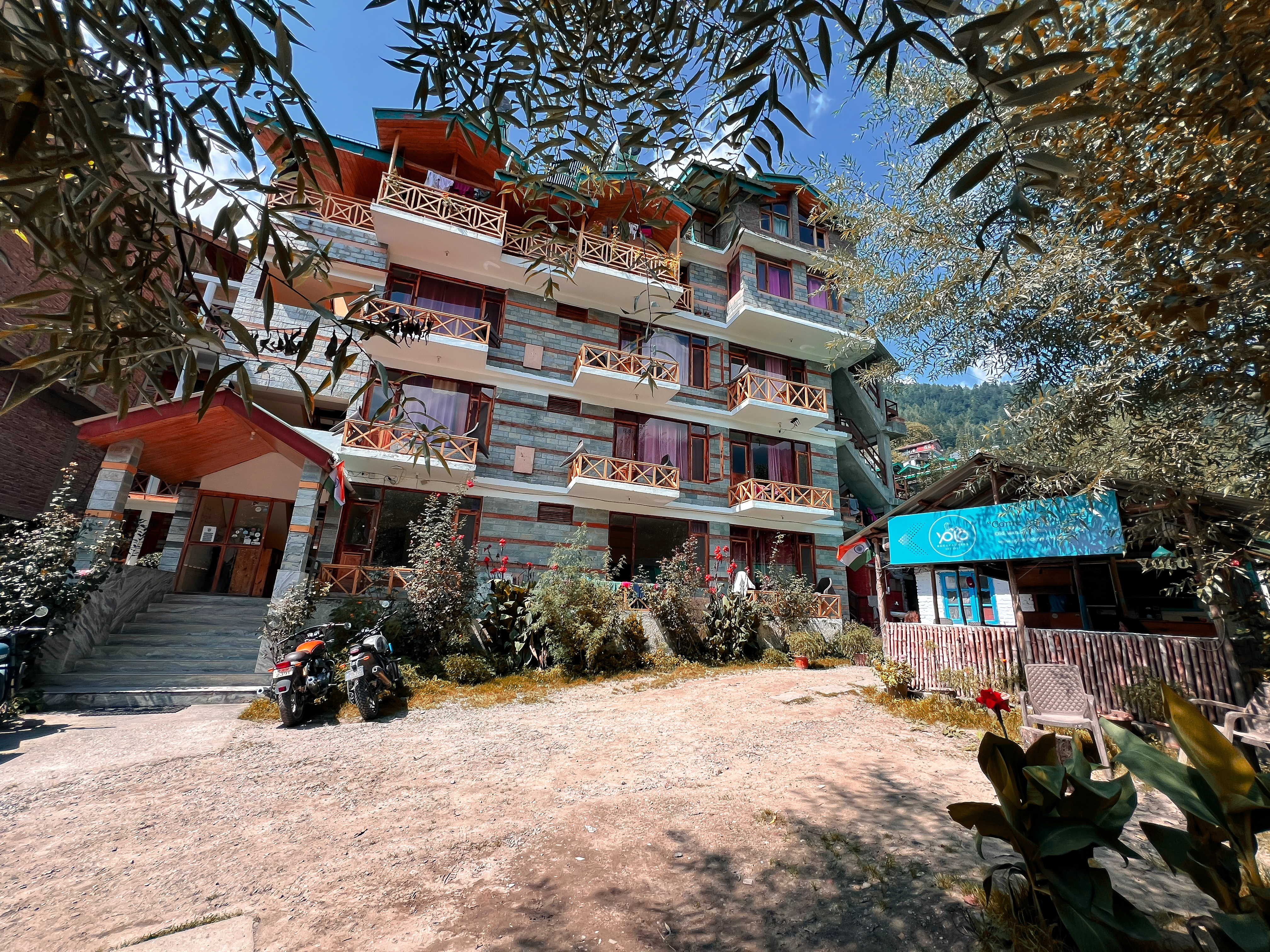
High-energy, design-led hostel in the heart of Old Manali. Perfect for digital nomads and solo travelers seeking community and connection.
- ✓ In-house cafe & workspace
- ✓ High-speed WiFi
- ✓ Community-driven vibe
- ✓ Rooftop lounge
YOLO Homes
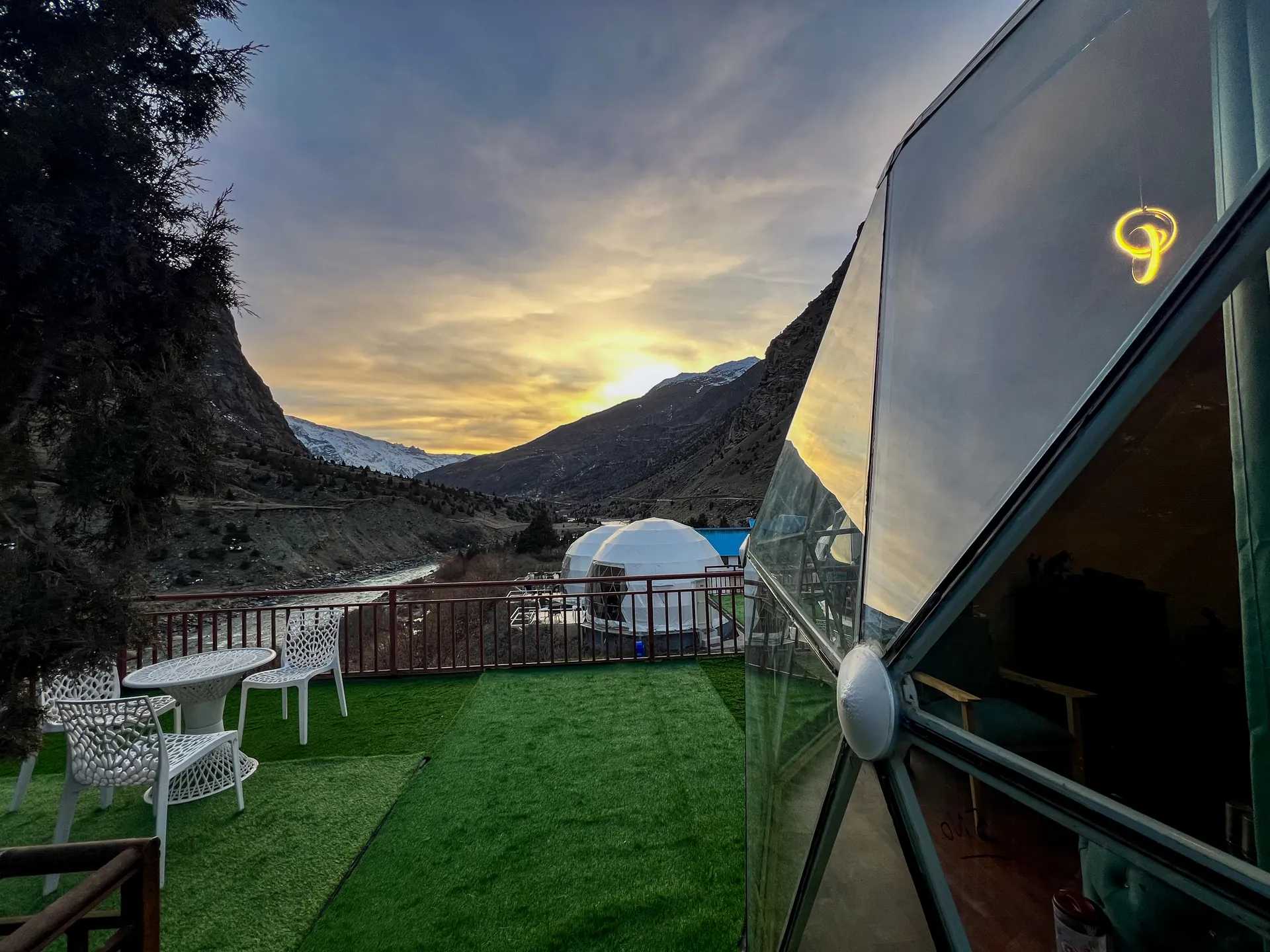
Tucked away in old apple orchards. Quiet luxury designed for stillness, sun-drenched balconies, and the rustle of leaves. Pure tranquility.
- ✓ Private orchard grounds
- ✓ Personal butler service
- ✓ Organic garden dining
- ✓ Mountain views
What Makes Manali Special.
Old Manali Culture
Once a hippie trail stopover in the '60s and '70s, Old Manali has evolved into a vibrant cultural hub. Narrow cobbled lanes wind past Israeli cafés, live-music joints, vintage bookshops, and street art murals — all tucked under towering deodar cedars with the Manalsu River rushing below.
India's Adventure Capital
Paragliding over Solang Valley, skiing on Rohtang slopes, river rafting on the Beas, mountain biking through apple orchards — Manali packs more adrenaline per square kilometre than anywhere else in India. It's also the starting point for the legendary Manali–Leh Highway.
Four Seasons
Unlike most hill stations, Manali transforms dramatically with each season. Blinding white snowscapes in winter, apple blossoms in spring, monsoon-green valleys in summer, and golden-amber forests in autumn. Every visit feels like a different destination.
How to Reach Manali.
Bhuntar Airport
Kullu-Manali Airport at Bhuntar is 50km (1.5 hours) from Manali. Daily flights operate from Delhi (1 hour) and Chandigarh (40 minutes). From the airport, taxis and HRTC buses connect to Manali along the scenic Beas Valley road.
Volvo from Delhi
Overnight Volvo buses run daily from Delhi ISBT (Kashmere Gate) to Manali — approximately 12–14 hours via Chandigarh. HPTDC and several private operators offer semi-sleeper and sleeper options. Book in advance during peak season.
Self Drive
From Delhi it's 530km via NH3 (Ambala → Chandigarh → Bilaspur → Mandi → Kullu → Manali). From Chandigarh, it's 310km and about 8 hours. The final stretch through the Kullu Valley with its riverside views is one of India's best drives.
Best Time to Visit.
December — February
Heavy snowfall blankets the valley. Temperatures drop to -7°C. Perfect for snow lovers — Solang Valley opens for skiing and snowboarding. Old Manali's cafés become cozy winter retreats with bonfires and hot chocolate.
March — May
Snow melts, apple trees bloom pink and white, and the valley comes alive with wildflowers. Temperatures range from 10–25°C. Ideal for trekking, paragliding, and exploring without the peak-season crowds.
June — August
Warm days (20–30°C) with afternoon rains. The valley reaches peak green intensity. Rohtang Pass opens for the season. Landslides are possible on some routes, but the Atal Tunnel keeps Manali connected to Lahaul year-round.
Things to Do in Manali.
Solang Valley
India's premier adventure sports hub — paragliding, zorbing, skiing (winter), and ropeway rides. Just 14km from Manali, surrounded by snow-capped peaks and grassy meadows.
Rohtang Pass
At 3,978m, Rohtang offers panoramic views of glaciers, peaks, and the Lahaul Valley. Open June–October with a permit system. The drive up is one of the most thrilling in the Himalayas.
Old Manali Cafés
From the famous Lazy Dog to Drifter's Inn, Old Manali's café culture is legendary. Live music, wood-fired pizzas, Israeli shakshuka, and mountain views from every rooftop. The vibe is unhurried and electric.
Hadimba Temple
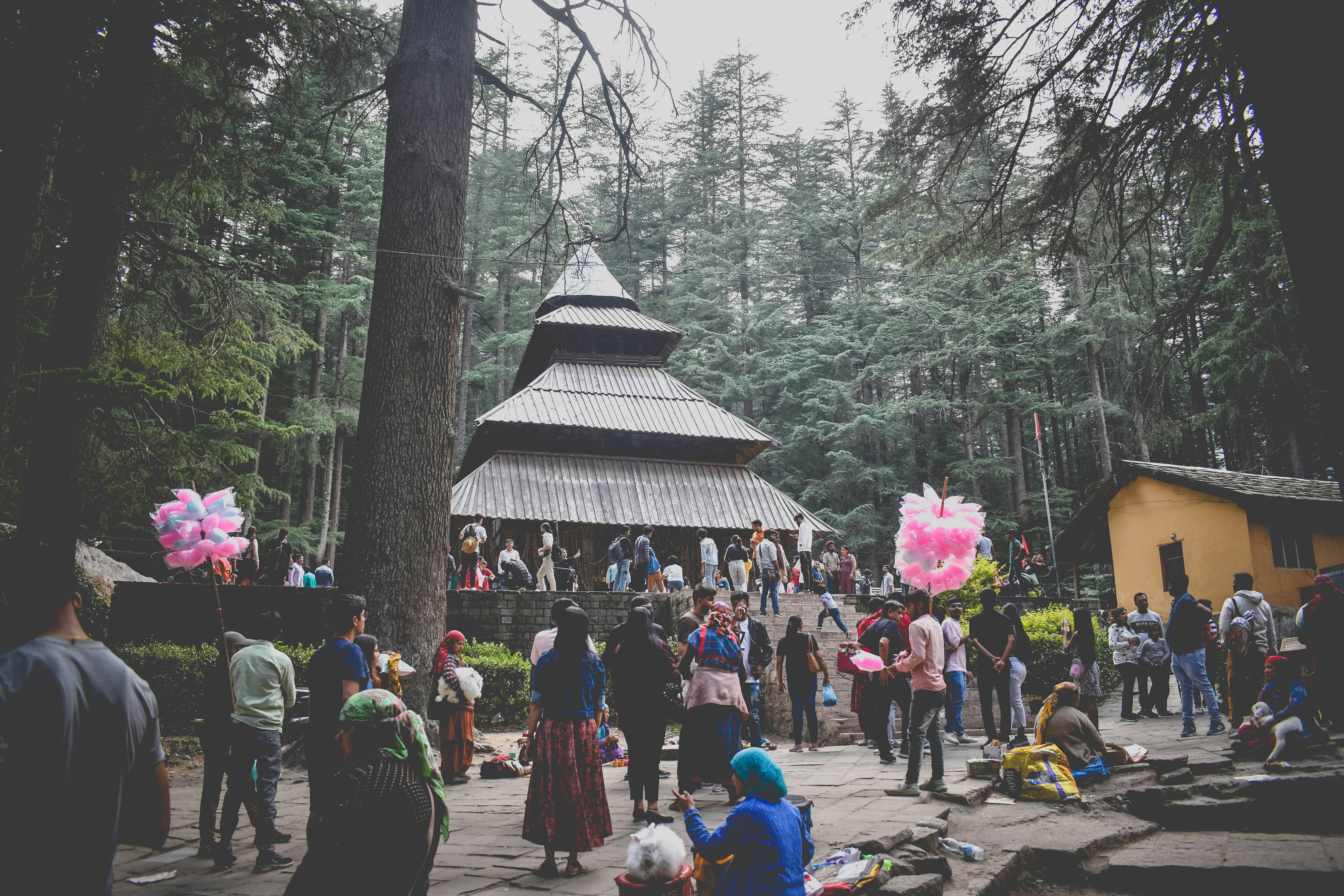
A 500-year-old pagoda-style temple set in a sacred deodar forest. Dedicated to Hidimbi Devi from the Mahabharata, it's one of the most architecturally unique temples in the Himalayas.
Jogini Waterfall
A 30-minute trek from the Vashisht village through apple orchards leads to this 160-foot cascade. The mist at the base feels like a natural spa. Best visited in spring and monsoon.
Vashisht Hot Springs
Natural sulphur hot springs in the ancient village of Vashisht, just 3km from Manali. The public baths are free and said to have healing properties. The temple complex dates back centuries.